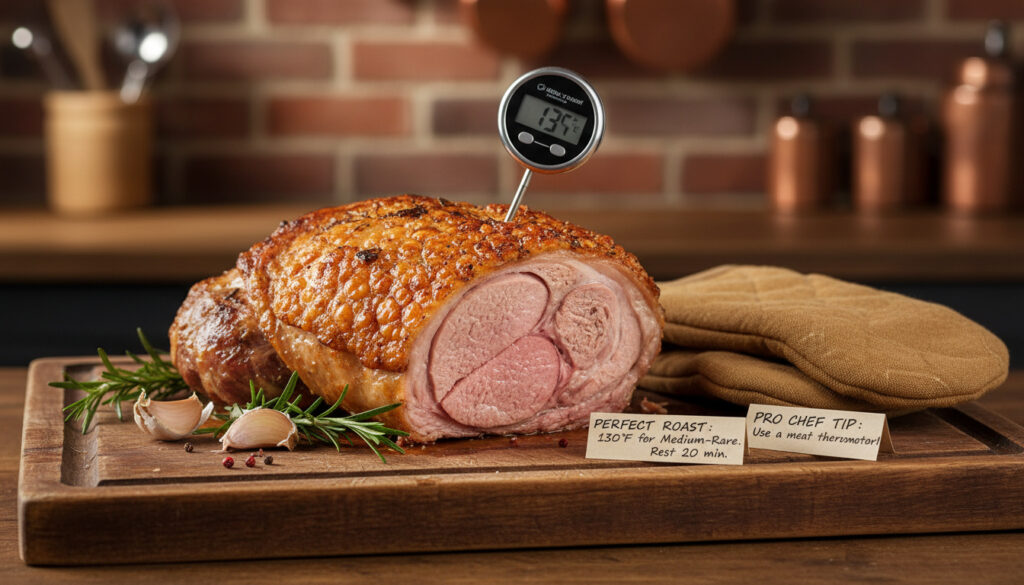
Roast Leg of Lamb – Times, Temps and Tips
A perfectly roasted leg of lamb remains one of the most impressive centerpieces for holiday gatherings or Sunday dinners. Achieving that ideal balance of crispy, herb-crusted exterior and pink, juicy interior requires precise timing, temperature control, and an understanding of how this distinctive meat behaves in the oven.
Whether you are working with a bone-in joint or a boneless roast, the principles remain consistent: aggressive initial heat to develop flavor, gentle roasting to reach target doneness, and mandatory resting to allow juices to redistribute. Cooks often struggle with determining exactly when to pull the meat from the oven, as carryover cooking can raise internal temperatures significantly during the rest period.
This guide consolidates tested techniques from professional kitchens and food safety authorities to eliminate guesswork. From preparation methods using garlic and rosemary to exact timing charts per kilogram, these instructions apply to both traditional holiday roasts and modern Mediterranean-inspired preparations.
How Long Does It Take to Roast Leg of Lamb?
Total Cook Time
1.5–2.5 hours
(depends on weight & doneness)
Oven Temperature
425°F (220°C) initial
325–350°F (160–180°C) roasting
Target Internal Temp
125–175°F
(52–79°C) per preference
Yield
Serves 6–8
(5–7 lb leg)
- Resting is non-negotiable: Always tent with foil for 10–20 minutes post-roast, allowing juices to redistribute and internal temperature to rise 5–10°F.
- Bone-in roasts require 10–20% additional time compared to boneless cuts due to bone density affecting heat conduction.
- Small roasts under 4 lb cook disproportionately faster and require closer monitoring to prevent overcooking.
- Insert thermometer into the thickest part, avoiding bone, for accurate readings.
- Marinate for at least 1 hour or overnight to develop deeper flavor penetration.
- Metric conversion: 1 kg equals approximately 2.2 lb; divide pound-based times by 2.2 for kilogram calculations.
- Carryover cooking continues the roasting process even after removal from the oven.
| Weight | Time @ 325°F | Internal Temp (Post-Rest) | Notes |
|---|---|---|---|
| 4 lb (1.8 kg) | 1–1.25 hours | 125°F (52°C) Rare | Remove at 115°F |
| 5 lb (2.3 kg) | 1.5–2 hours | 130–135°F (54–57°C) Med-Rare | Remove at 120–125°F |
| 6 lb (2.7 kg) | 2–2.5 hours | 135–145°F (57–63°C) Medium | Most common target |
| 7 lb (3.2 kg) | 2.5–3 hours | 155–170°F (68–77°C) Well | USDA minimum 145°F |
| Any (Slow) | 40 min/lb @ 300°F | 175°F (79°C) | Fall-apart tender |
What Temperature Should You Roast Leg of Lamb At?
Professional kitchens typically employ a two-stage roasting approach. The oven preheats to 425°F (220°C) for the first 15–30 minutes, creating a Maillard reaction that produces the golden, herb-flecked crust characteristic of well-roasted lamb. Sip and Feast notes that this initial blast can be replaced by a stovetop sear, though the high-heat oven method proves simpler for home cooks managing multiple dishes.
Following the sear phase, reduce heat to 325–350°F (160–180°C) for the duration of the cooking. This gentler temperature allows the interior to rise evenly without shocking the exterior into toughness. For bone-in joints specifically, Kevin Is Cooking recommends dropping to 300°F to account for the bone’s insulating properties.
USDA Safety Guidelines vs. Culinary Preference
Food safety authorities maintain distinct thresholds from traditional culinary standards. The USDA mandates a minimum internal temperature of 145°F (63°C) with a 3-minute rest to eliminate pathogens. However, many established recipes target 130–135°F for medium-rare, noting lamb’s lower bacterial risk compared to beef when properly sourced and fresh.
While the USDA recommends 145°F (63°C) for safety, removing the roast at 120–125°F and allowing carryover cooking to reach 130–135°F yields the pink, juicy texture preferred by most enthusiasts. Always verify freshness with your butcher when serving below USDA minimums.
How to Prepare and Roast a Leg of Lamb?
Preparation begins with the herb rub. Combine kosher salt—approximately ¾ to 1 teaspoon per pound—with minced garlic, chopped rosemary, olive oil, and optional black pepper or lemon zest. Jo Cooks emphasizes that this mixture should be massaged thoroughly into every surface, including crevices in the meat. Allow the seasoned leg to rest at room temperature for 1 hour, or refrigerate overnight for more intense flavor development.
Bone-In vs. Boneless Considerations
Boneless legs typically arrive wrapped in netting to maintain shape; leave this intact until cooking completes, then remove with kitchen shears. Bone-in legs benefit from elevation on a rack over aromatic vegetables—onions, carrots, celery, garlic, and orange—which serve dual purposes as flavor base and future gravy components. The bone itself acts as a heat conductor, though as noted by demonstrated techniques, it can slow penetration slightly.
Pan Setup and Moisture Retention
Place the prepared leg in a roasting pan and add 1½ cups water to prevent drippings from burning and smoking. For slow roasting methods, tent the pan tightly with aluminum foil to trap moisture, removing the cover only for the final minutes if crust development is desired.
For boneless cuts, never remove the butcher’s netting before cooking. This binding maintains the leg’s structural integrity during the hours of roasting. Snip it away only after the meat has rested and you are ready to carve.
Best Roast Leg of Lamb Recipes and Variations?
Regional traditions offer distinct approaches to seasoning and accompaniment. The Mediterranean Dish presents a Greek-inspired preparation incorporating dried oregano, fresh lemon juice, and optional yogurt marinades, often roasted alongside potatoes that absorb the rendered fat and herb-infused drippings.
UK Holiday Tradition
British holiday preparations typically favor bone-in joints slow-roasted for Christmas or Easter service. The resulting gravy derives from mashed roasted garlic and vegetables combined with deglazed pan juices, creating a sauce that captures the concentrated flavors of the hours-long roast.
Slow Roast Method
For pull-apart tenderness rather than sliceable pink meat, maintain oven temperature at 300°F (150°C) for approximately 40 minutes per pound over 5–6 hours. This method requires no initial sear, as the extended cooking develops its own crust through surface drying.
Legs weighing less than 4 lb cook significantly faster than standard charts suggest. Begin checking internal temperatures 30 minutes earlier than calculated to prevent overshooting your target doneness.
What Is the Step-by-Step Timeline for Roasting Leg of Lamb?
- Preparation (30 minutes to 24 hours): Apply herb rub and allow to marinate at room temperature for 30 minutes, or refrigerate overnight. Bring to room temperature before roasting.
- Oven Preheat (15 minutes): Set oven to 425°F (220°C) with rack positioned in lower third.
- Initial Sear (15–30 minutes): Roast at high heat to develop crust, or sear stovetop before placing in oven.
- Primary Roasting (1.5–2.5 hours): Reduce heat to 325°F. Monitor with digital thermometer inserted in thickest portion.
- Resting (15–20 minutes): Transfer to cutting board, tent with foil. Temperature will rise 5–10°F during this period.
- Carving (10 minutes): Slice against the grain for maximum tenderness.
What Is Established vs. Variable in Roast Leg of Lamb Cooking?
| Established Facts | Variables & Uncertainties |
|---|---|
| USDA minimum safe temp: 145°F (63°C) with 3-min rest | Exact timing varies by oven calibration and altitude |
| Carryover cooking raises temp 5–10°F during rest | Meat shape and fat distribution affect heat penetration |
| Bone-in requires 10–20% longer than boneless | Residual moisture from brining/marinades alters cooking time |
| 1 kg = 2.2 lb for conversion calculations | Actual “room temperature” starting point varies by kitchen |
| Resting is mandatory for juice retention | Precise minute-per-pound ratios depend on exact oven hot spots |
Why Does Roast Leg of Lamb Require Specific Techniques?
Lamb differs from beef and pork in both fat composition and muscle structure. The meat contains higher concentrations of unsaturated fat that render at lower temperatures, contributing to the distinctive flavor but requiring careful heat management to prevent the surface from drying before the interior reaches target temperature. This biological reality explains why the two-stage roasting method—high heat followed by moderate—produces superior results compared to single-temperature cooking.
Historically, leg of lamb held ceremonial significance across Mediterranean and Middle Eastern cuisines, often served for Easter, Passover, or Eid celebrations. The traditional pairing of rosemary and garlic emerged not merely for flavor but for practical preservation; these aromatics possess antimicrobial properties that helped protect meat in pre-refrigeration eras. Modern preparations honor these combinations while incorporating contemporary food safety standards.
Common failures typically stem from thermometer placement errors or impatience during resting. Inserting probes too close to bone yields falsely high readings, while skipping the rest period causes moisture loss that no amount of gravy can remedy. A La Vieille Ferme Rosé review suggests that proper resting actually improves pairing with dry rosé wines, as the stabilized juices better complement the wine’s acidity.
What Do Expert Sources Say About Roast Leg of Lamb?
“Roasted leg of lamb is typically prepared with garlic and rosemary, using a high initial oven temperature for searing or crust formation, followed by lower heat until the desired internal temperature is reached.”
— Sip and Feast
“Add 1½ cups water to pan to prevent drippings from burning; tent with foil for slow roast to retain moisture.”
— Kevin Is Cooking
“Greek Style: Add oregano, lemon juice, yogurt marinade; roast with potatoes seasoned in pan juices at 325°F until tender.”
— The Mediterranean Dish
What Are the Key Takeaways for Perfect Roast Leg of Lamb?
Success with roast leg of lamb depends on respecting the interplay between time, temperature, and rest. Start with aggressive heat to build flavor, finish gently to preserve moisture, and never carve before the mandatory 15–20 minute rest. Whether preparing an M&S Colin the Caterpillar cake for dessert or pairing with Mediterranean sides, the principles remain constant: verify doneness with a thermometer, account for carryover cooking, and slice only after the juices have stabilized.
Frequently Asked Questions
Bone-in or boneless leg of lamb roast?
Bone-in offers superior flavor and insulation but requires 10–20% longer cooking. Boneless cooks more evenly and slices easier, though it needs netting to hold shape.
How do you keep roast leg of lamb moist?
Marinate overnight, roast at moderate temperatures after initial searing, add water to the pan, and never skip the 15–20 minute rest period tented in foil.
Can you roast leg of lamb from frozen?
Thawing overnight in the refrigerator is recommended for even cooking. Roasting from frozen risks overcooked exteriors with raw centers due to lamb’s density.
What wines pair best with roast leg of lamb?
Dry rosés like those from Provence cut through the fat, while medium-bodied reds such as Côtes du Rhône complement rosemary and garlic preparations.
Should you cover leg of lamb while roasting?
Cover with foil only for slow-roast methods or if the surface browns too quickly. For standard roasting, leave uncovered after the initial high-heat phase.
More related posts
 Eilish McColgan: Career, Injuries & Mother Comparison
 Trent Alexander-Arnold: Transfer, Name Change, LaLiga Rule
 Joe Burrow: Contract, Injury, Personal Life & More
 Bonnie Tyler Health Update: Coma, Recovery & Key Facts
 How Many Languages in the World? 7,170+ Facts & Lists
 McKenna Grace: Relationship, Health, Age, Net Worth & More
 Should You Pop a Blister? Expert Advice & Safe Drainage Steps
 Laurence Llewelyn-Bowen: Biography, Net Worth & News