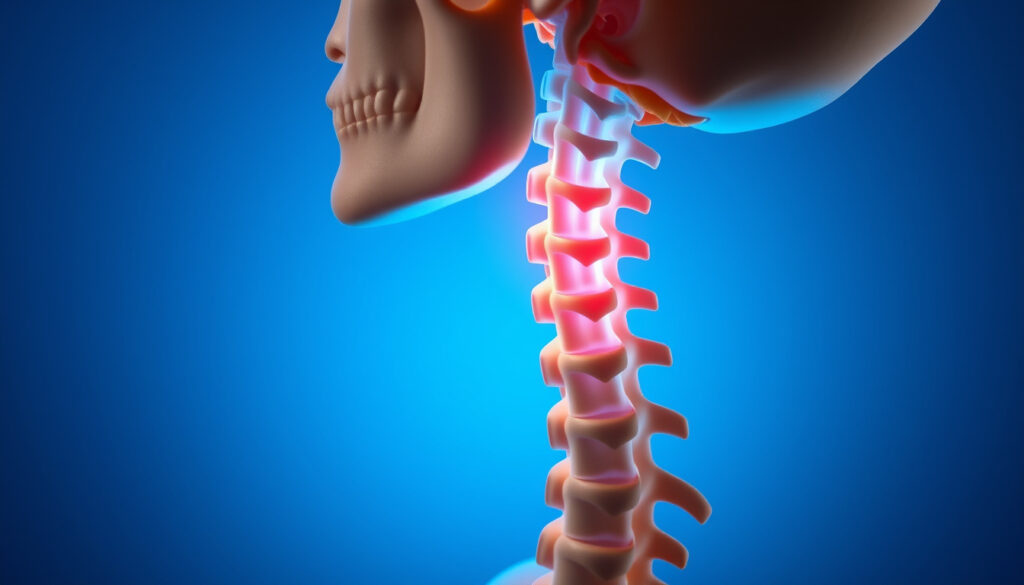
Trapped Nerve in Neck – Symptoms, Causes, Treatments
A trapped nerve in the neck, clinically referred to as cervical radiculopathy, develops when a nerve root in the cervical spine becomes compressed. The condition typically produces radiating pain, weakness, numbness, or a tingling sensation that extends from the neck into the shoulders, arms, or hands. Activities such as turning the head, coughing, or sneezing often intensify symptoms, making everyday movements uncomfortable. Understanding the warning signs, underlying causes, and available treatment pathways is essential for anyone experiencing persistent neck discomfort.
Cervical radiculopathy is a common complaint, particularly among adults aged 30 to 50, according to clinical data from Cleveland Clinic. While the condition can be alarming due to the nature of the pain it produces, the vast majority of cases respond well to conservative treatment without requiring surgical intervention. Prompt recognition of symptoms and appropriate self-care measures can significantly shorten recovery time and prevent complications.
What Are the Symptoms of a Trapped Nerve in the Neck?
The most characteristic symptom of a trapped nerve in the neck is sharp or radiating pain that travels from the neck downward through the shoulder, arm, and hand. This radicular pain follows the path of the affected nerve root and may be accompanied by a sensation of burning or electric shock. According to AAOS, the discomfort often worsens when the head is moved into certain positions or during activities that increase pressure within the spine.
Pain, tingling, weakness
Disc herniation, bone spurs
Rest, physio, medications
4–12 weeks conservative
What Does a Trapped Nerve in the Neck Feel Like?
Beyond radiating pain, many individuals describe the sensation as numbness or a “pins and needles” feeling along the arm and into the fingers. Muscle weakness in the upper arm, forearm, or hand may develop, potentially affecting grip strength or the ability to perform fine motor tasks. The symptoms are typically concentrated on one side of the body, though bilateral involvement can occur in cases of significant central disc herniation, as noted by UCHealth.
Can a Trapped Nerve in the Neck Cause Arm Pain?
Yes. Arm pain is one of the most common and distinctive features of cervical radiculopathy. The pain follows the specific dermatome pattern of the compressed nerve, meaning it radiates along a predictable pathway depending on which cervical nerve is affected. C6 nerve compression typically causes pain extending to the thumb and index finger, while C7 involvement often affects the middle finger, and C8 compression impacts the little finger area.
Does a Trapped Nerve in the Neck Cause Dizziness?
Dizziness is not listed as a primary symptom of cervical radiculopathy in the reviewed medical literature. While some individuals report general discomfort or a sensation of unsteadiness accompanying severe neck pain, the evidence does not support dizziness as a direct result of nerve compression in the cervical spine. Any connection between a trapped nerve and dizziness is more likely to involve associated musculoskeletal tension or alternative underlying conditions that require separate evaluation.
- Radiating arm pain is the most common presenting symptom of cervical radiculopathy.
- Over 85% of cases resolve with conservative treatment within 6–12 weeks.
- Numbness and tingling typically precede significant muscle weakness.
- Symptoms often worsen with head turning, coughing, or sneezing.
- A soft cervical collar may be used short-term but should not exceed 1–2 weeks to prevent muscle weakening.
- NSAIDs such as ibuprofen or naproxen are first-line medications for pain and inflammation management.
- Cervical epidural steroid injections provide partial relief in 40–84% of cases.
| Fact | Details |
|---|---|
| Prevalence | Most common in adults aged 30–50 |
| Main Symptom | Radiating arm pain from neck |
| First-Line Treatment | Rest, NSAIDs, and physical therapy |
| Success Rate (conservative) | Over 85% without surgery |
| Standard Recovery | 6–12 weeks for most cases |
| Imaging Tests | X-rays and MRI for diagnosis |
| Surgery Indication | Persistent pain after 6–12 weeks of nonsurgical care |
| Collar Duration | Maximum 1–2 weeks to avoid muscle atrophy |
What Causes a Trapped Nerve in the Neck?
A trapped nerve in the neck results from any condition that narrows the space through which a cervical nerve root travels. The most frequent culprit is age-related degenerative change in the cervical spine. Over time, the discs between the vertebrae lose hydration and height, while bone spurs (osteophytes) may form along the vertebral edges, progressively encroaching on the nerve canals. Herniated discs, where the soft inner material of a spinal disc leaks through a tear in the outer layer, represent another common cause of nerve compression that can affect younger individuals as well.
Can Stress Cause a Trapped Nerve in the Neck?
Stress does not directly cause nerve compression in the cervical spine. However, chronic stress can contribute to muscle tension in the neck and shoulder region, which may exacerbate existing irritation around a nerve root. While stress-related neck tightness is a real phenomenon, it is distinct from the structural compression that defines cervical radiculopathy and should not be considered an independent cause of the condition.
Can Sleeping Wrong Cause a Trapped Nerve in Neck?
Poor sleeping posture can aggravate a trapped nerve in the neck, particularly if the head and neck are held at awkward angles for extended periods. Stomach sleeping is especially discouraged for individuals with neck pain, as this position forces the neck into rotation and extension that places additional strain on cervical structures. Using a pillow that supports the natural curve of the neck and keeps the spine aligned during sleep is recommended by Harvard Health Publishing.
Other Contributing Factors
Beyond degenerative changes, acute disc herniation represents another common cause of nerve compression in the neck. A herniated or bulging disc can press directly against a nerve root, producing sudden and often severe radicular symptoms. Traumatic injuries, such as those sustained in falls or vehicle collisions, may also trigger acute episodes. Poor posture during prolonged computer use, repetitive strain from occupational activities, and obesity are additional risk factors that may contribute to the development or worsening of cervical radiculopathy.
Maintaining neutral spine alignment during work and sleep can reduce mechanical stress on cervical nerve roots. Ergonomic assessments of workstations are frequently recommended as part of physical therapy programmes for individuals recovering from cervical radiculopathy.
How Do You Treat a Trapped Nerve in the Neck?
Treatment for a trapped nerve in the neck follows a stepped approach, beginning with the least invasive options and progressing to more targeted interventions only when necessary. More than 85% of patients experience significant improvement through conservative methods alone, without ever requiring surgery. Understanding the range of available options allows individuals to make informed decisions in consultation with their healthcare providers.
How Can I Relieve a Trapped Nerve in My Neck at Home?
Initial home management focuses on reducing irritation and allowing the inflamed nerve to settle. Rest in a neutral spine position, using a cervical pillow to maintain alignment during sleep, forms the foundation of home care. Alternating ice and heat therapy is widely recommended: ice packs applied for 15–20 minutes can reduce acute inflammation, while heat in the form of warm compresses may relax tense muscles and improve blood flow to the affected area.
Over-the-counter non-steroidal anti-inflammatory drugs such as ibuprofen or naproxen can help manage pain and inflammation during the acute phase. Short courses of oral corticosteroids may be prescribed in some cases to reduce more severe swelling around the nerve root. Gentle range-of-motion exercises, once acute pain subsides, can prevent stiffness from compounding the original problem.
What Are the Best Sleeping Positions for Trapped Nerve in Neck?
The optimal sleeping position for a trapped nerve in the neck is on the back or side, with a pillow that supports the natural cervical curve. Back sleeping distributes weight evenly across the spine, while side sleeping with a supportive pillow between the shoulders can maintain alignment. Stomach sleeping should be avoided, as it forces the neck into a twisted position that can intensify nerve irritation. Mayo Clinic advises using a cervical pillow or a regular pillow tucked under the head and neck to preserve the neutral spine position throughout the night.
Can Exercises Help a Trapped Nerve in the Neck?
Yes. Physical therapy plays a central role in both short-term symptom management and long-term recovery from cervical radiculopathy. A structured programme typically begins with gentle stretching and range-of-motion exercises, such as chin tucks and shoulder rolls, before progressing to strengthening exercises that build cervical and upper back musculature. Cervical traction, performed under the guidance of a physical therapist, can temporarily decompress nerve roots by gently separating the vertebrae.
Exercises should never cause sharp or shooting pain. Individuals should perform only those movements that produce gentle relief, discontinuing any exercise that triggers radiating symptoms. Professional guidance is preferable for establishing a safe routine.
Medical Interventions
When conservative measures prove insufficient, cervical epidural steroid injections offer a minimally invasive option. These injections deliver anti-inflammatory medication directly around the affected nerve root, with clinical data indicating partial to significant relief in 40–84% of recipients. Surgical options, including endoscopic foraminoplasty and discectomy, are reserved for cases where 6–12 weeks of nonsurgical treatment has failed to produce meaningful improvement, or where progressive neurological deficits such as worsening weakness are present.
How Long Does a Trapped Nerve in the Neck Take to Heal?
Healing time for a trapped nerve in the neck varies according to the severity of the underlying cause and the treatment approach taken. Mild cases with minimal nerve irritation often resolve within days to four weeks with appropriate rest and self-care. The majority of individuals with moderate symptoms see substantial improvement within 6–8 weeks of initiating conservative treatment.
Severe cases involving significant disc herniation or bone spur compression may require 12 or more weeks to resolve. Patients who notice no improvement after the expected timeframe should seek further medical evaluation, as persistent or worsening symptoms may indicate a need for imaging studies or specialist referral.
Is a Trapped Nerve in the Neck Serious?
Most trapped nerves in the neck are not medically serious, but they should not be ignored. While the vast majority of cases resolve with conservative treatment, persistent compression can lead to progressive muscle wasting and permanent nerve damage if left unaddressed. The condition is best characterised as functionally limiting rather than life-threatening, though the pain it produces can significantly affect quality of life during the acute phase.
When Should I See a Doctor for a Trapped Nerve in the Neck?
Medical evaluation is warranted when neck and arm symptoms persist beyond a few days of rest, worsen despite self-care measures, or include significant weakness affecting grip or hand coordination. Urgent medical attention is necessary if there is sudden onset of bowel or bladder dysfunction, progressive neurological decline, or severe and unremitting pain, as these may signal rare but serious complications requiring immediate intervention.
Recovery Timeline
The typical recovery trajectory for a trapped nerve in the neck follows a broadly predictable pattern, though individual experiences vary considerably based on the cause, severity, and chosen treatment pathway.
- Acute phase (Days 1–7): Focus on rest, ice or heat therapy, and over-the-counter pain relief to reduce inflammation and manage acute discomfort.
- Early recovery (Weeks 1–2): Gentle range-of-motion exercises introduced; cervical collar may be used briefly; activities that aggravate symptoms should be strictly avoided.
- Active rehabilitation (Weeks 3–6): Physical therapy progresses to include strengthening exercises and postural correction; most mild to moderate cases show measurable improvement.
- Full resolution or plateau (Weeks 6–12): Significant recovery expected for the majority; if symptoms plateau, further imaging or specialist referral should be considered.
- Maintenance (Months 3–6): Continued strengthening and posture management to prevent recurrence; most individuals return to normal activities by this stage.
What Is Known and What Remains Uncertain
Established Information
- Cervical radiculopathy involves nerve root compression in the cervical spine.
- Radiating arm pain, numbness, and weakness are primary symptoms.
- Over 85% of cases resolve without surgery within 6–12 weeks.
- Conservative treatment is first-line and typically effective.
- Herniated discs and bone spurs are common structural causes.
- X-rays and MRI are standard diagnostic tools.
Information That Remains Uncertain
- The precise contribution of stress to cervical radiculopathy development is not well quantified in clinical literature.
- Whether specific exercise protocols reliably accelerate recovery beyond the standard 6–12 week window is not conclusively established.
- The exact incidence of dizziness attributable to cervical nerve compression versus other mechanisms is debated among specialists.
- Long-term outcomes for patients who choose to postpone surgery beyond the typical 6–12 week window are not extensively studied.
Background and Clinical Context
Cervical radiculopathy falls within a spectrum of spinal disorders that also includes lumbar radiculopathy (commonly known as sciatica) and cervical myelopathy, a more severe condition involving spinal cord compression. The condition is diagnosed through a combination of clinical history, physical examination assessing reflexes and muscle strength, and imaging studies that visualise the cervical vertebrae and surrounding soft tissues.
The differential diagnosis includes thoracic outlet syndrome, rotator cuff injuries, carpal tunnel syndrome, and cardiac conditions that may refer pain to the left arm and neck. Accurate diagnosis is important because treatment strategies differ considerably across these conditions.
Expert Perspectives and Medical Guidance
Rest is an essential component of early management, but prolonged immobilisation can weaken neck muscles and delay recovery. A short course of a soft cervical collar, followed by progressive return to normal activity under the guidance of a physical therapist, tends to produce the best outcomes.
— Cleveland Clinic, Cervical Radiculopathy Overview
Physical therapy exercises that promote strength and flexibility in the cervical and thoracic musculature are among the most evidence-supported interventions for managing cervical radiculopathy symptoms long term.
— AAOS, Cervical Radiculopathy Patient Guide
Summary
A trapped nerve in the neck is a common condition that produces recognisable symptoms including radiating arm pain, numbness, tingling, and weakness. The vast majority of cases resolve within 6–12 weeks through conservative measures such as rest, medication, and targeted physical therapy. Structural causes such as herniated discs and bone spurs are well-established risk factors, while the role of lifestyle factors like stress and posture requires individualised assessment. Early recognition of symptoms and appropriate medical evaluation ensure that most individuals recover without requiring invasive interventions. For those already managing other chronic conditions, understanding how different treatments interact can be valuable—What Is Gabapentin Used For explores medications frequently discussed alongside pain management strategies for nerve-related conditions.
Frequently Asked Questions
Can a trapped nerve in the neck cause arm pain?
Yes. Radiating arm pain is one of the hallmark symptoms of cervical radiculopathy. The pain travels along the specific nerve pathway affected and may be accompanied by numbness, tingling, or weakness extending into the hand.
Does a trapped nerve in the neck cause dizziness?
Dizziness is not recognised as a direct symptom of cervical radiculopathy in clinical literature. Any association between the two is likely indirect, related to neck muscle tension or other conditions requiring separate assessment.
Can stress cause a trapped nerve in the neck?
Stress does not directly cause nerve compression, but it can contribute to neck muscle tension that exacerbates existing irritation around a nerve root. Its role is indirect rather than causative.
How long does it take for a trapped nerve in the neck to heal?
Mild cases may resolve within days to four weeks. Most individuals experience substantial improvement within 6–12 weeks of starting conservative treatment, while severe cases may take longer.
Is surgery always necessary for a trapped nerve in the neck?
No. Surgery is reserved for cases that do not respond to 6–12 weeks of conservative treatment or that involve progressive neurological deficits. Over 85% of patients recover without surgical intervention.
What sleeping position is best for a trapped nerve in the neck?
Back or side sleeping with a supportive pillow that maintains the natural cervical curve is recommended. Stomach sleeping should be avoided as it forces the neck into a twisted position.
Can exercises help a trapped nerve in the neck?
Yes. Physical therapy exercises, including gentle stretches and range-of-motion movements, are a cornerstone of recovery. They should be performed without sharp or shooting pain and are best initiated under professional guidance.
When should I see a doctor for a trapped nerve in the neck?
Seek medical care if symptoms persist beyond a few days, worsen despite rest, or include significant weakness, numbness, or arm dysfunction. Urgent evaluation is needed for sudden bowel or bladder changes or rapid neurological decline.
More related posts
 Matterhorn Mountain: Height, History, and Climbing Difficulty
 Sanctuary Spa Gift Sets: Prices & Deals in Ireland
 David Ornstein: Biography, Career, and Social Media Profile
 Willem Dafoe: Biography, Ethnicity, Health, and Biggest Roles
 PDC World Championship 2025: Winner, Results, Schedule
 Snakes and Ladders Abingdon: Reviews, Prices, Hours & Menu
 RCD Mallorca vs FC Barcelona Stats & Head-to-Head Record
 A. J. Cook – Criminal Minds Career, Family and Net Worth