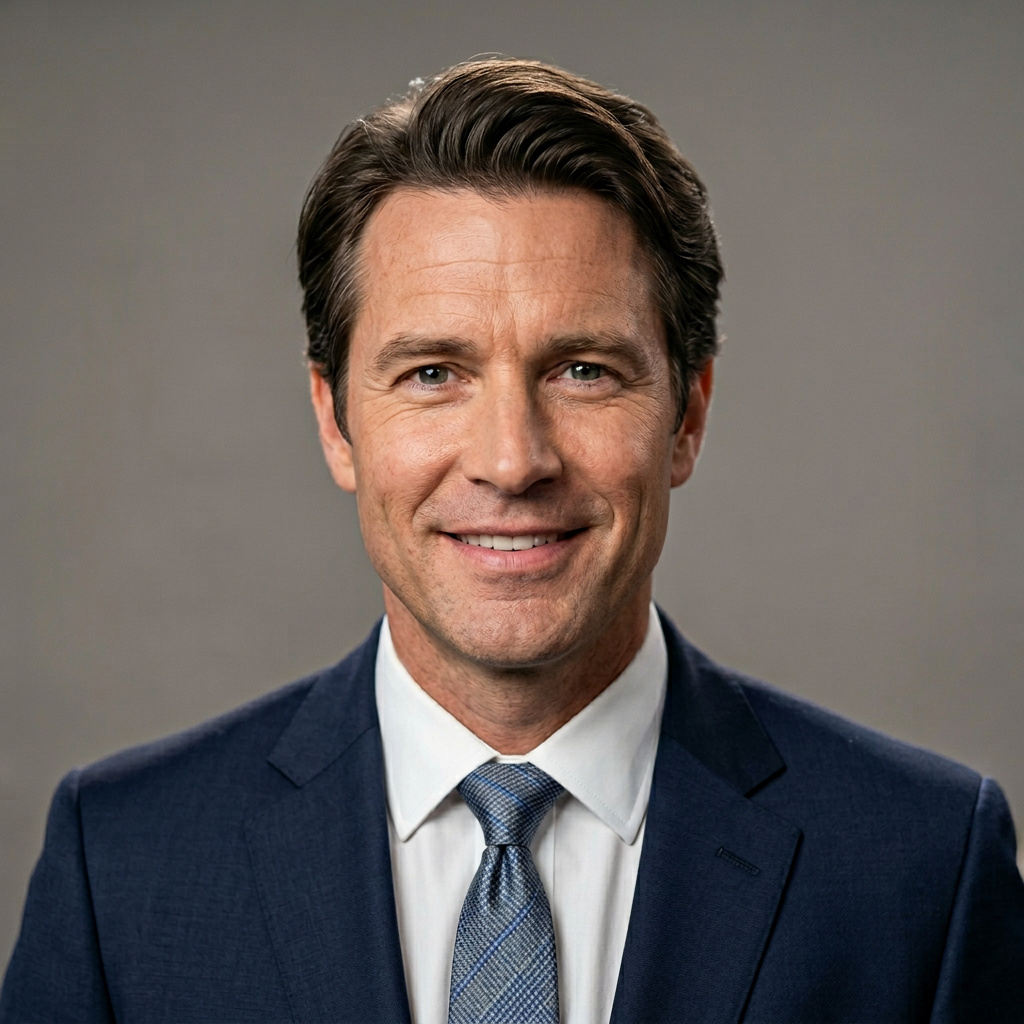
Bob Dylan: Biography, Famous Songs, Wives, Health, Net Worth
There are few figures in popular music whose story feels less like a straight line and more like a kaleidoscope. Bob Dylan — born Robert Allen Zimmerman on May 24, 1941, in Duluth, Minnesota — didn’t just write songs; he kept reinventing what a songwriter could be. From protest anthems to electric rock, from born-again Christian albums to the Nobel Prize in Literature, his career answered different questions at each turn. This article walks through the key phases, the personal relationships, and the health scares that shaped a life that’s still unfolding.
Born: May 24, 1941 ·
Birth name: Robert Allen Zimmerman ·
Grammy Awards: 11 ·
Nobel Prize in Literature: 2016 ·
Studio albums: 39 ·
Inducted into Rock & Roll Hall of Fame: 1988
Quick snapshot
- Dylan won the Nobel Prize in Literature in 2016 (Bob Dylan Center (official biography))
- He was born on May 24, 1941 (Britannica (encyclopedia))
- Married to Sara Lownds (1965–1977) and Carolyn Dennis (1986–1992) (Britannica)
- The exact injuries from his 1966 motorcycle accident remain private (Britannica)
- Full details of his relationship with Joan Baez are known only to them (Paste Magazine (music journalism))
- His personal religious views after the 1980s are not publicly defined (Britannica)
- 1965: Goes electric at Newport Folk Festival (MusicArts Vault (music education))
- 1997: Hospitalized with histoplasmosis (Britannica)
- 2016: Wins Nobel Prize in Literature (Bob Dylan Center)
- Dylan continues to tour and release albums (Britannica)
- His archive is preserved at the Bob Dylan Center in Tulsa (Bob Dylan Center)
Eight key facts capture the scope of a six‑decade career that spans folk protests, rock anthems, gospel interludes, and a Nobel Prize.
| Fact | Detail |
|---|---|
| Full name | Robert Allen Zimmerman |
| Born | May 24, 1941, Duluth, Minnesota, U.S. |
| Genres | Folk, rock, country, gospel, blues |
| Occupation | Singer-songwriter, author, painter |
| Years active | 1959–present |
| Spouses | Sara Lownds (m. 1965; div. 1977), Carolyn Dennis (m. 1986; div. 1992) |
| Children | 6 (including Jakob Dylan) |
| Awards | Nobel Prize in Literature, 11 Grammy Awards, Presidential Medal of Freedom |
What Made Bob Dylan So Famous?
Bob Dylan’s fame rests on three pivot points: his protest anthems of the early 1960s, his controversial switch to electric rock in 1965, and his historic Nobel Prize in Literature in 2016. Each phase shattered expectations and cemented his place as a cultural force.
The shift from folk to electric
Dylan began as a folk purist, deeply influenced by Woody Guthrie and Pete Seeger. His early albums, such as The Freewheelin’ Bob Dylan (1963), contained protest songs that became anthems for the civil rights and anti-war movements (Wikipedia (collaborative encyclopedia)). Tracks like “Blowin’ in the Wind” and “The Times They Are a-Changin'” gave voice to a generation. Then, at the Newport Folk Festival on July 25, 1965, Dylan plugged in an electric guitar, a move that stunned purists and redefined rock music (MusicArts Vault).
Protest anthems of the 1960s
“Oxford Town,” also on The Freewheelin’ Bob Dylan, addressed James Meredith’s experience as the first Black student at the University of Mississippi (Wikipedia). These songs were not just commentary — they were calls to action that resonated globally. Dylan’s ability to marry poetic lyrics with social urgency made him a singular voice.
Nobel Prize in Literature
In 2016, the Swedish Academy awarded Dylan the Nobel Prize in Literature, making him the first musician to receive the honor. The official citation praised him “for having created new poetic expressions within the great American song tradition” (Bob Dylan Center). The prize formalized what fans had long argued: that songwriting can be literature of the highest order.
When Did Bob Dylan Come Out?
The phrase “come out” in Dylan’s context refers to his public shift from acoustic folk to electric rock, not a revelation about his sexuality. The defining moment occurred at the Newport Folk Festival on July 25, 1965.
The 1965 Newport Folk Festival
Backed by an electric band, Dylan performed three songs, including “Like a Rolling Stone,” while a mix of cheers and boos filled the air. The performance was brief — only about 15 minutes — but its impact was seismic (MusicArts Vault). Folk purists accused him of selling out; others saw a necessary evolution. Dylan later said he never felt any kind of traitor; he was simply following his muse.
Going electric and public transformation
The Newport festival was a signal: Dylan was no longer willing to be a spokesperson for any movement. His electric albums Bringing It All Back Home (1965) and Highway 61 Revisited (1965) expanded rock’s sonic and lyrical boundaries.
Dylan’s electric turn was a declaration of artistic independence — he would not be boxed in by folk’s expectations.
Who Was the Love of Dylan’s Life?
Three women stand out in Dylan’s romantic history, but one is consistently named the central figure.
Sara Lownds
Dylan married Sara Lownds on November 22, 1965, and the marriage lasted until 1977 (Britannica). She is widely considered the love of his life and is referenced in songs like “Sad Eyed Lady of the Lowlands” and the album Blood on the Tracks, which many believe chronicles the unraveling of their relationship.
Joan Baez
Dylan and Baez had a significant romantic and musical relationship in the early 1960s. They performed together, and Baez famously introduced Dylan to large audiences early in his career. The depth of their bond remains partly private, but both have spoken about it in interviews over the years (Paste Magazine).
Suze Rotolo
Suze Rotolo was Dylan’s girlfriend in the early 1960s; she appears on the cover of The Freewheelin’ Bob Dylan. Rotolo was a political activist who introduced Dylan to leftist circles and helped shape his early worldview (Britannica).
Who Was Bob Dylan’s Black Wife?
Bob Dylan was married to Carolyn Dennis, a black backup singer, from 1986 to 1992. The marriage was kept so secret that many of Dylan’s closest associates didn’t know (Britannica).
Carolyn Dennis
Dennis was a professional background vocalist who sang on several Dylan albums in the 1980s. They married in a private ceremony, and the marriage produced a daughter, Desiree Gabrielle Dennis-Dylan (Paste Magazine). The relationship remained hidden until a biography published in 2001 revealed it.
The secret marriage
The secrecy surrounding the marriage fueled speculation about Dylan’s private life, but those close to him say it was a genuine, if brief, union. The marriage was never discussed publicly by Dylan during his lifetime.
The secrecy wasn’t due to scandal — it reflected Dylan’s fierce determination to keep certain parts of his life entirely off the record.
More related posts
 Golshifteh Farahani Biography: Exile, Movies & Net Worth
 The Rock Weight Loss: Inside Dwayne Johnson’s Body Transformations
 D Wave Share Price: QBTS Live Quote, Forecast & Analysis
 Erykah Badu: Biography, Children, André 3000 & Beyoncé
 Blue Balls: What It Is, Causes, and How to Get Relief
 Gary Lewis (Actor): Bio, Movies, Outlander and More
 FC Barcelona vs Rayo Vallecano Stats: Possession & xG
 Bunk Beds Age Guide & Safety Tips for Parents