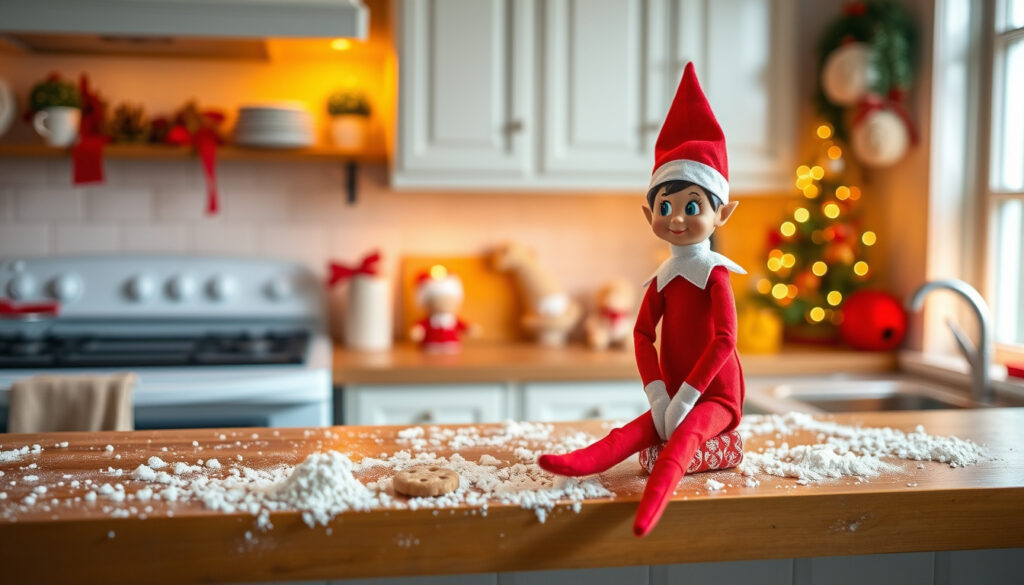
Elf on the Shelf Ideas – Funny Pranks, Easy Setups and Room Tips
The Elf on the Shelf tradition has become a cornerstone of modern Christmas celebrations, with millions of families incorporating the small scout elf into their holiday routines each December. Parents relocate the elf daily to craft imaginative scenes and playful pranks that delight children while building anticipation for Christmas morning. This comprehensive guide pulls together practical ideas, proven setups, and essential tips gathered from experienced families and official sources to help parents throughout the season.
Whether searching for quick bathroom pranks, kitchen mischief, or safe ideas for toddlers, the possibilities can feel overwhelming. The tradition calls for daily repositioning, which means parents need a steady supply of fresh concepts that do not require extensive setup time or expensive materials. Understanding the core mechanics—the elf moves each night and children must not touch it—provides the foundation for customizing scenes that fit each family’s style and available resources.
The following sections cover creative concepts organized by room and complexity, arrival and departure traditions, and practical guidance distilled from popular family resources. Each idea includes notes on preparation time and materials needed, enabling busy parents to integrate these traditions without added stress during an already demanding season.
Creative and Funny Elf on the Shelf Ideas
When creativity takes center stage, the elf transforms from a simple doll into a mischief-making character capable of surprising even savvy children. These setups lean into humor, unexpected combinations, and gentle chaos that children genuinely enjoy discovering each morning.
Marker-Based Setups
One of the most versatile approaches involves using markers to create scenes that complement the elf’s positioning. Drawing faces on eggs with a permanent marker and positioning the elf holding the marker nearby creates an instantly humorous tableau that children find endlessly amusing. The same technique works with bananas, oranges, or avocados—simply draw simple faces and leave the marker on the elf’s lap for an easy setup that requires almost no preparation time.
Bathroom mirrors offer a writable canvas that wipes clean after the holiday season. Dry erase markers allow parents to draw silly elf portraits, snowflakes, or personalized messages directly on the glass. Pair this with the elf positioned nearby holding the marker to create a scene that clearly attributes the artwork to the scout visitor. Family photo frames provide another creative outlet where mustaches, eyebrows, and exaggerated smiles drawn on photographs create instant comedy that parents and children both enjoy.
Food-Themed Pranks
Food-based setups offer some of the quickest execution times while delivering strong visual impact. Leaving the elf next to an open jar of Nutella with chocolate spread smudged on its face suggests the elf snacked while the family slept. The cookie jar raiding scene works similarly—leave the jar open with the elf hanging halfway out, surrounded by half-eaten cookies and scattered crumbs for a classic mischief moment.
For families seeking alternatives to candy-based setups, the cookie jar raiding concept adapts easily to whatever treats are available in the pantry. A cereal shoe breakfast setup involves filling a child’s shoes with breakfast cereal, inserting a spoon in one, and placing a note nearby reading “I made you breakfast! Sorry, I couldn’t find the bowls.” This idea takes under five minutes and uses items already in the kitchen.
Top Practical Insights
- Mischievous pranks dominate trending content—parents increasingly favor playful chaos over wholesome scenes
- Room-specific positioning generates the most search interest, particularly for bathroom and kitchen spaces
- Batch preparation saves time—families who plan weekly setups report significantly reduced daily stress
- Toilet paper rolls, markers, and tape represent the most commonly reused materials across multiple idea sources
- Pop culture references resonate with older children, including superhero themes and trending memes
- Daily rotation maintains novelty—varying the room and setup type prevents the tradition from feeling repetitive
- Child participation enhances engagement—scenes that encourage searching or interaction keep children actively involved
Multiple families recommend batching elf setups weekly rather than planning nightly. Spending 30 minutes on Sunday evening to prepare seven scenes reduces daily pressure and allows for more elaborate setups when time permits.
| Fact | Detail |
|---|---|
| Tradition Launched | 2005, created by Carol Aebersold and her daughter Chanda Bell |
| Original Format | Sold as a book and doll set introducing the scout elf concept |
| Primary Purpose | Monitors children’s behavior and reports to Santa nightly |
| Core Rule | Children must not touch the elf, or it loses its “magic” |
| Annual Popularity | Millions of elf dolls sold annually in the United States alone |
| Typical Duration | November through December 24th (Christmas Eve departure) |
| Arrival Window | November 1st (official start date per elfontheshelf.com) |
| Setup Time Average | Under 5-10 minutes for most standard ideas |
Room-Specific Elf on the Shelf Ideas
Targeting specific rooms in the home creates structured discovery opportunities and helps parents organize their elf setup calendar by location. Bathroom and kitchen scenes consistently rank among the most searched variations, likely because these spaces offer built-in props and daily family traffic that makes discovery feel natural.
Bathroom Scene Ideas
Bathrooms provide contained environments where small props create big impressions. Sitting the elf on the sink with a razor (guard on for safety) and shaving cream on its face suggests a morning grooming session gone hilariously wrong. This setup requires only items already in the bathroom and takes approximately three minutes to arrange.
The toilet paper roll snowman represents another beloved bathroom variation. Stack two toilet rolls and stuff the elf inside so its head and hands peek out from the center. Adding a third roll on top with a drawn snowman face completes the tableau. An alternative version places the elf’s arms and legs inside a toilet paper roll center with an unwrapped Hershey’s Kiss positioned behind it, bent over to create a humorous scene that children immediately recognize as funny.
Kitchen Scene Ideas
Kitchens naturally host the most food-based prank ideas, though some of the most effective setups use the space for unexpected positioning rather than eating scenes. The snack heist concept stacks cans next to the counter high enough to reach the edge, opens a package of cookies or crackers, and positions the elf so its arms and face appear inside the package as if it climbed up to steal treats.
For households comfortable with slightly edgy humor, the poop tasting station uses a muffin tray with silicone liners filled with different candies—Nerds, chocolate malt balls, chocolate chips, Smarties—with a note reading something like “Joey’s Poop taste testing. Try if you dare!” This idea works particularly well for families with children aged six and older who appreciate gross-out humor.
Bedroom and Hidden Location Ideas
Bedrooms offer private discovery opportunities that older children particularly enjoy. Positioning the elf in unexpected bedroom locations creates a hide-and-seek dynamic that encourages children to search carefully rather than glance at obvious spots. Placing the elf working on a puzzle in a bedroom or common area suggests nighttime activities while the family slept.
Themed bedroom scenes work well for extended traditions. A tea party setup with the elf and toy dishes or a bubble bath scene with toy mermaids or bath toys creates gentle, whimsical moments that younger children find especially charming. These quieter scenes balance the more chaotic prank ideas and provide variety throughout the season.
Vary the room each day rather than repeating the same location. Spreading discoveries across the home keeps the tradition fresh and gives children incentive to check multiple spaces each morning.
Easy and No-Mess Elf on the Shelf Ideas
Not every evening allows time for elaborate scenes, and some households require strictly no-mess solutions due to space constraints, pet safety, or simply personal preference. These streamlined approaches deliver the core elf discovery experience without requiring extensive setup, cleanup, or specialized materials.
Quick Positioning Pranks
Some of the simplest ideas require almost no preparation at all. Placing the elf in one of the stockings already hung over the fireplace takes less than five seconds and works perfectly for busy nights when other obligations consume the evening. Similarly, hiding the elf in one of the cutlery slots to be discovered during breakfast leverages existing household items without any additional effort.
The shoe prank variant wraps a child’s shoes in aluminum foil and leaves a note saying “I shined your shoes for you!” This requires only aluminum foil from the kitchen and delivers a moment of genuine surprise that children find genuinely delightful. The shoe prank works particularly well on school mornings when children are already rushing to get ready.
Toddler-Safe Approaches
Families with young children need to prioritize safety without sacrificing the magic of the tradition. The emphasis should fall on simple positioning on shelves or furniture, non-toxic marker drawings, and scenes constructed from soft materials like toilet paper rolls. Avoid small objects that could present choking hazards, and ensure any props used in scenes cannot be pulled apart and ingested.
Simple is often more effective for toddlers anyway. A basic “just hanging out” positioning in a visible but slightly elevated spot captures a toddler’s attention without requiring complex narrative. The wonder of discovering the elf in a new location each morning provides sufficient excitement for younger children who have not yet developed expectations for elaborate scenes.
Ideas Without Candy
Reducing candy-related setups helps families manage sugar intake during an already treat-heavy season. Marker-based drawings, toilet paper roll constructions, and positioning-only scenes all avoid candy entirely while remaining visually interesting. The egg painting and banana face ideas work particularly well as candy-free alternatives because they use perishable items already in the home.
The mirror drawing technique with dry erase markers leaves no residue and requires no cleanup beyond a quick wipe after the holiday season. Family photo pranks similarly clean up completely with glass cleaner and create shared laughter that becomes a holiday memory in itself.
When setting up scenes, always consider the ages of children in the home. Remove or secure any small objects, ensure electrical items are used safely, and never leave props that could pose fall risks in areas where young children might pull them down. For more inspiration on creative Elf on the Shelf setups, check out these Sonic the Hedgehog 3.
Arrival, Goodbye, and Multi-Elf Ideas
Key moments in the elf calendar—the initial arrival in November and the departure near Christmas—deserve special attention and slightly more elaborate setups than routine daily repositioning. Families with multiple elves face the additional challenge of coordinating scenes that feature more than one character without overwhelming the overall narrative.
Arrival Day Concepts
The elf’s return sets the tone for the entire season, so many families invest extra effort in the arrival setup. Positioning the elf in a letter box with a welcome message creates an immediate sense of occasion and works well for families who want to build anticipation before children reach the main living areas.
Placing the elf in a stocking over the fireplace offers immediate visual impact that children discover the moment they enter the room. A simple “just hanging out” approach with the elf positioned in a visible but slightly hidden spot works equally well when time constraints prevent any preparation beyond retrieving the elf from storage.
Departure Traditions
The search results gathered for this guide do not contain specific departure scene ideas, though the tradition typically involves the elf returning to the North Pole on Christmas Eve or the day after Christmas. Families often mark this moment with a small note left behind, a scene depicting the elf’s sleigh, or simply the elf’s absence from its usual spot to signal the transition.
Coordinating Multiple Elves
Families with more than one elf can create more dynamic scenes by positioning multiple characters in interaction rather than isolation. Group activities like tea parties, puzzle-building, or shared reading scenes suggest community and cooperation among the elves. Setting up action or interaction between elves—perhaps one elf “rescuing” another or both engaged in a shared activity—adds narrative depth that older children appreciate.
Spreading elves across different rooms maximizes discovery opportunities and encourages children to search more thoroughly. Each elf can have a slightly different personality or mischief style, with one perhaps being more mischievous and another more wholesome. This differentiation helps children develop distinct relationships with each elf character and adds variety to the discovery experience.
Timeline and Evolution of the Tradition
Understanding how the Elf on the Shelf tradition has evolved helps contextualize the current landscape of ideas and approaches. The tradition’s journey from a single book and doll set to a multi-million unit annual phenomenon reveals important insights about family traditions and their role in contemporary holiday celebrations.
- 2005: The original Elf on the Shelf book and doll set debut, created by Carol Aebersold and her daughter Chanda Bell, introducing the scout elf concept to families across America
- Late 2000s: Gradual adoption and word-of-mouth growth as early adopters shared their experiences and families began developing their own creative interpretations
- Early 2010s: Viral social media boom that transformed the tradition into a mainstream holiday activity, with platforms like Pinterest and Instagram driving rapid spread of setup ideas
- Mid-2010s: DIY evolution and prank-focused content becoming dominant themes as parents pushed creative boundaries
- 2020s: Tech-free intentionality trend emerging, with families emphasizing simple setups and meaningful moments over elaborate productions
- Annual Cycle: November through December 24th remains the standard implementation window, with November 1st serving as the official arrival date per elfontheshelf.com
What the Evidence Shows and What Remains Unclear
Separating established facts from tradition-based claims helps families make informed decisions about how to implement the Elf on the Shelf in their own homes. The following comparison clarifies what sources confirm and what remains based on belief rather than evidence.
| Established Information | Unverified or Belief-Based Claims |
|---|---|
| Official rules from elfontheshelf.com establish arrival dates, movement requirements, and touch prohibitions as core tradition elements | The belief that touching the elf causes it to “lose its magic” stems from tradition rather than documented health or supernatural risks |
| Millions of elf dolls sold annually represents confirmed market data from the brand | Claims about behavioral impacts on children remain anecdotal and lack independent research verification |
| Most ideas take under 5-10 minutes to set up, confirmed across multiple idea sources | The specific psychological benefits attributed to the tradition (increased anticipation, family bonding) are widely reported but not clinically studied |
| The tradition works for children aged approximately 3-10 based on parent reports and product marketing | Optimal duration and frequency recommendations exist as guidance rather than evidence-based standards |
While the Elf on the Shelf tradition generates extensive online content and passionate participation, independent academic research on its effects remains limited. Families should implement the tradition according to their own values and their children’s responses rather than following unverified claims about benefits or risks.
Why the Tradition Resonates
The Elf on the Shelf tradition has achieved remarkable staying power in a cultural moment when attention fragments across countless entertainment options. Several factors explain its continued relevance and widespread adoption across diverse family structures and backgrounds.
The tradition provides a structured framework for family engagement during an already busy season. Daily repositioning creates a predictable ritual that children anticipate and parents can scale according to their energy and available time. Some mornings might feature elaborate productions; others might involve nothing more than moving the elf to a new shelf. Both approaches honor the tradition’s core promise.
Customizability represents another significant factor in the tradition’s success. Families adapt the elf’s personality, mischief style, and scene complexity to match their own aesthetic and values. The absence of rigid requirements beyond not touching the elf and moving it nightly grants substantial creative freedom while maintaining enough structure to function as an actual tradition.
The Elf arrives November 1st and visits every household until Christmas Eve, reporting to Santa each night about the behavior of the children. — elfontheshelf.com
Summary and Next Steps
The Elf on the Shelf tradition offers families a flexible, scalable way to add daily holiday magic throughout December. Creative ideas span rooms from bathroom to bedroom, complexity from simple positioning to elaborate prank scenes, and budgets from no-cost setups using household items to premium elf accessories. The tradition works best when families match their setup ambitions to their actual available time, accepting that simple daily discoveries often bring as much joy as elaborate productions.
For families beginning the tradition or seeking to refresh their approach, starting with the easy, no-mess ideas provides a low-pressure entry point. As confidence and familiarity grow, adding room-specific variations, arrival and departure traditions, and eventually multi-elf coordination creates a richer experience that evolves with the family. The Pineapple Upside Down Cake – Classic Recipe and History Guide and M&S Cake – Colin the Caterpillar Complete Guide offer additional holiday activity inspiration for families looking to expand their seasonal traditions beyond the elf.
Frequently Asked Questions
Can I touch my Elf on the Shelf?
The traditional rules state that children should not touch the elf or it will lose its magic and cannot report to Santa. Adults may move the elf as needed during setup, but children should avoid direct contact to maintain the tradition’s narrative integrity.
When should the Elf on the Shelf arrive?
According to the official brand, the elf arrives on November 1st and visits through Christmas Eve. Some families choose different arrival dates based on their calendar preferences, though November 1st serves as the standard start date.
How do I store my Elf on the Shelf when not in use?
The elf should be stored safely from December 26th through late October the following year. Many families use the original box or a dedicated storage container kept in a location where it will be remembered for the next season.
What age is appropriate for the Elf on the Shelf?
Most families begin the tradition when children are around 3 years old and continue through approximately age 10. Children older than 10 often figure out the adult involvement, though some families continue with increasingly sophisticated setups for older kids.
What if I forget to move the elf one night?
Parents commonly deal with this by having the elf leave a note explaining its absence, blaming “Santa’s delayed flight,” or simply moving it to a new spot in the morning and explaining it “came early” or “was resting.” Children typically accept these explanations, especially younger ones.
Can adults touch the elf during setup?
Adults may handle the elf freely during scene setup and takedown. Only children need to avoid touching the elf to maintain the tradition’s premise that the elf retains its ability to report to Santa.
Are there Elf on the Shelf ideas without candy?
Many effective ideas avoid candy entirely, including marker-based drawings on mirrors or eggs, toilet paper roll constructions, simple positioning scenes, and food pranks that use regular pantry items like cereal or cookies rather than candy.
How do I handle multiple children who want to find the elf?
Strategies include placing the elf in multiple locations so each child can find it, using a rotation system where children take turns checking first, or encouraging collaborative searching rather than competition.
More related posts
 Today Pound Rate in Pakistan – Live Open Market & Interbank Rates
 Hugo Ekitike: Biography, Stats, Transfer & Personal Life
 Ice Cube Net Worth, Religion, Controversies & Career
 What Is Gabapentin Used For – Uses, Side Effects & Risks
 Rav Wilding: Relationship, Career & Life Updates
 Annie Wersching: Cause of Death and Career Legacy
 DNA Tests: Accuracy, Cost, Ancestry & Medical Guide in Ireland
 Axel Rudakubana: Sentencing, Inquiry, and Missed Warnings