Pineapple Upside Down Cake – Classic Recipe and History Guide
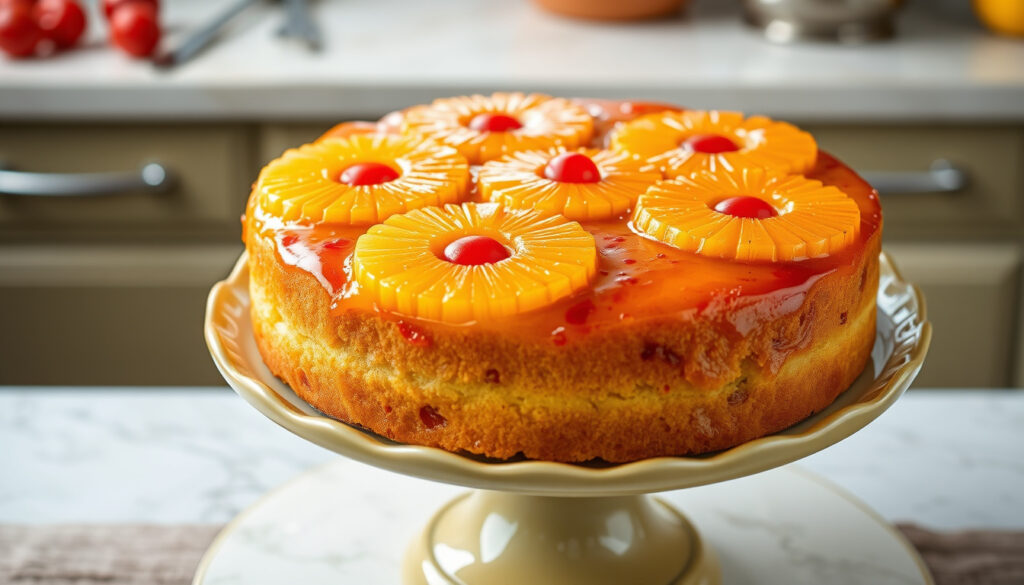
Pineapple upside down cake is a classic American dessert featuring caramelized pineapple rings arranged at the bottom of a skillet, topped with batter, and baked until golden. The signature move comes after baking—when the pan is flipped onto a serving platter, revealing the glossy, ringed pattern that has made this cake a beloved comfort food for nearly a century.
The dessert occupies a unique place in American culinary history. It emerged during a period when canned pineapple became widely accessible to home cooks, and it quickly became a showpiece for gatherings and celebrations. Despite its retro reputation, the cake has demonstrated remarkable staying power, appearing in home kitchens and restaurants alike throughout the decades.
Understanding how to prepare it properly—whether from scratch or with a cake mix—requires familiarity with its distinctive technique, common pitfalls, and the historical context that shaped its development. This guide covers everything from ingredient selection to troubleshooting, drawing on documented recipes and historical records.
How Do You Make Pineapple Upside Down Cake?
The process involves two distinct stages: building the topping and preparing the batter. Success depends on executing both correctly and timing the flip precisely.
The topping—caramelized sugar, butter, pineapple rings, and optional cherries or nuts—goes into the pan first. The batter pours over it, and after baking, the entire creation inverts onto a serving plate.
Key insights to keep in mind:
- The technique relies on caramelizing fruit in the pan before the batter goes in, creating a glossy layer beneath the cake
- Popularized by the Dole Pineapple recipe contest in 1925, which generated over 2,500 submissions
- Versatile: cake mix offers speed, while from-scratch batter yields deeper flavor
- Sticking remains the most common issue—solved with proper greasing or parchment
- Cast-iron skillets perform exceptionally well due to their seasoned surfaces
- Room-temperature ingredients ensure even rising
- Inverting immediately after baking prevents the topping from adhering to the pan
| Fact | Detail |
|---|---|
| Origin | United States, 1920s |
| Calories per slice | Approximately 300-400 |
| Prep + Bake Time | 15 min prep + 35-45 min baking |
| Pan Size | 9-12 inch cast-iron skillet |
| Oven Temperature | 350°F (175°C) |
| Best served | Warm, same day |
Building the Topping
Melt two tablespoons of butter in a 10-12 inch cast-iron skillet over medium heat. Spread half to one cup of brown sugar evenly across the bottom, creating the caramel base. Arrange seven to eight canned pineapple rings in a close pattern, pressing gently into the sugar. Place maraschino cherries in the centers if desired. Fill any gaps with pecan halves for added texture and visual appeal.
Preparing the Batter
Gather two cups of all-purpose flour, two teaspoons of baking powder, and half a teaspoon of salt. In a separate bowl, cream half a cup of room-temperature unsalted butter with one cup of sugar until light and fluffy. Add two eggs—separated—with the yolks mixed into the butter-sugar base. Beat the egg whites to stiff peaks in another vessel. Combine the dry ingredients with half to one cup of milk or pineapple juice and one teaspoon of vanilla, then fold the egg whites gently into the batter to maintain airiness.
Baking and Inverting
Preheat the oven to 350°F. Pour the batter over the prepared topping, spreading it evenly to the edges. Bake for approximately 45 minutes, or until a toothpick inserted into the center emerges clean. Run a knife around the rim immediately after removing from the oven, then flip onto a serving platter before the topping cools and adheres to the pan.
What Is Pineapple Upside Down Cake and Why Is It Called That?
The name directly describes the defining characteristic of the dish. The fruit topping sits at the bottom of the baking vessel during cooking, with batter poured over it. Only after the cake finishes baking and cools slightly does the inversion occur—flipping the pan transforms the hidden topping into the visible, decorative surface.
This technique distinguishes it from conventional cakes where fruit or frosting adorns the top. Here, the caramelized sugar, pineapple rings, and cherries form a glistening foundation that becomes the presentation layer when served. The inversion serves both practical and aesthetic purposes: it releases the cake from the pan and creates the distinctive pattern.
Origins of the Concept
The concept of upside-down cakes predates the pineapple version by centuries. Medieval European bakers poured batter over fruit—such as apples or dried figs—in skillets, creating early versions of this format. These evolved into American “skillet cakes” that continued the tradition of baking fruit beneath batter and then flipping the result.
The French tarte Tatin, developed in the 1880s, represents a parallel development: caramelized apples baked under pastry dough, then inverted for service. The structural similarity suggests shared techniques across culinary traditions rather than direct invention lineage.
The “upside down” designation appears specifically with pineapple versions, though the technique works with other fruits. By the 1930s, pineapple had become so associated with the format that recipes for apple or peach versions rarely used the same label.
Canned Pineapple’s Role
Widespread availability of canned pineapple proved essential to the cake’s development. James Dole established his Hawaiian cannery in 1901, gradually making pineapple accessible to mainland consumers. Before this, fresh pineapple remained expensive and difficult to obtain outside tropical regions.
Early 1920s recipes in regional cookbooks—such as a 1924 Seattle charity cookbook that listed “Pineapple Glacé”—demonstrated interest before the dish achieved national prominence. The Dole contest accelerated adoption dramatically, with advertisements in women’s magazines spreading winning recipes across the country.
Can You Use Fresh Pineapple and Other Variations?
Fresh pineapple can replace canned rings, though adjustments become necessary. Fresh fruit releases more moisture during baking, which may create a soggy bottom layer if not addressed. Draining canned pineapple thoroughly solves this issue; fresh pineapple requires patting dry with paper towels or pre-caramelizing slices in a separate pan.
The choice between canned and fresh affects both texture and flavor. Canned rings offer consistent thickness and sugar content, contributing to the predictable caramelization the classic recipes expect. Fresh pineapple delivers brighter, tangier notes but introduces variables that require attention.
Fruit Substitutions
The technique adapts to numerous fruits beyond pineapple. Historical recipes from the 1930s—before pineapple dominated—commonly featured apples, plums, peaches, pears, or cherries. These alternatives followed the same inversion method while offering seasonal flexibility.
For those avoiding cherries, the cake functions perfectly well without them. Maraschino cherries provide color contrast and occasional sweetness, but nuts alone or plain fruit rings suffice. The structural and flavor elements remain intact regardless of this choice.
Vegan Adaptations
No documented vegan pineapple upside down cake recipes appear in the primary sources, but the technique accommodates standard plant-based substitutions. Replacing butter with plant-based alternatives, using non-dairy milk or juice for liquid, substituting flax eggs for whole eggs, and using aquafaba to replace whipped egg whites all represent viable approaches.
The resulting cake may differ slightly in texture compared to the traditional version, but the core method and appearance remain achievable without animal products.
Using a Bundt Pan
Bundt pan adaptation lacks specific documentation in historical sources, but the skillet method translates to the curved interior of a Bundt pan with adjustments. Heavy greasing becomes even more critical given the pan’s intricate ridges. The topping arrangement must conform to the pan’s shape, placing rings along the bottom curves rather than a flat surface.
The extended baking time required for the deeper batter volume should be monitored closely, and the flip becomes more dramatic due to the pan’s height.
How to Avoid Common Mistakes Like Sticking?
Sticking ranks as the most frequently encountered problem when making this cake. The caramelized sugar and butter combination creates a sticky bond with metal surfaces when cooled, making immediate inversion essential.
Never allow the pan to cool substantially before flipping. The topping begins adhering within minutes of reaching the counter, and once stuck, removal damages both the cake and the presentation.
Preventive Measures
Running a knife around the edge immediately after removing from the oven breaks any initial seal between the topping and pan walls. Using a well-buttered skillet helps, as does ensuring the pan’s surface has no damage or rough patches that could grip the sugar.
For stubborn situations, placing a sheet of parchment paper over the topping before adding batter creates a barrier that facilitates release. This adds a small step but eliminates frustration for those experiencing persistent sticking.
Addressing Soggy Bottoms
Excess moisture causes the bottom layer to become saturated rather than caramelized. Draining canned pineapple thoroughly before arranging it prevents this, as does ensuring fresh pineapple has been patted completely dry. Overripe fruit introduces additional water content that exacerbates the problem.
If using fresh pineapple and encountering sogginess despite drying attempts, consider pre-caramelizing the slices separately before arranging them in the pan. For more information on this classic recipe and its history, you can explore this guide at dog with down syndrome.
Preventing Dense Cake Texture
Dense results typically stem from overmixing the batter or failing to properly incorporate whipped egg whites. Beating the batter for more than two or three minutes develops gluten in the flour, creating a tough crumb rather than the desirable light texture.
Folding the egg whites gently—rather than stirring vigorously—preserves the air incorporated during whipping. Underwhipping the whites themselves produces insufficient volume, which carries through to the final texture.
Managing Burnt Topping
The sugar topping caramelizes quickly, and ovenhot spots can cause burning before the cake finishes baking. Checking the cake after 40 minutes of a 45-minute estimated bake time allows intervention before significant scorching occurs.
If the top browns too rapidly, moving the pan to a lower oven rack slows the browning rate. Alternatively, tenting the top loosely with foil creates a barrier against direct heat.
What Is the History of Pineapple Upside Down Cake?
The pineapple upside down cake emerged from a convergence of culinary technique and industrial innovation in the early 20th century. Its path to becoming an American classic involved a pivotal promotional event and decades of home baking tradition.
- Middle Ages through 1800s: Upside-down cooking technique develops across Europe with various fruits, evolving into American skillet cakes
- 1901: James Dole establishes pineapple cannery in Hawaii, eventually making canned pineapple widely available
- 1924: Early recipe appears as “Pineapple Glacé” in a Seattle charity cookbook
- 1925: Hawaiian Pineapple Company (Dole) runs recipe contest; receives over 2,500 pineapple cake submissions out of 60,000 total entries; Mrs. Robert Davis of Norfolk, Virginia wins
- Late 1920s-1930s: Recipe spreads through women’s magazine advertisements; by 1930s becomes America’s most popular home-baked cake
- 1934: Publication states no amateur baker is “finished” without mastering the dish
- 1950s onward: Betty Crocker and other brands popularize convenience variations; cake maintains status as retro classic
The 1925 contest fundamentally transformed the dish from a regional specialty into a national phenomenon. The winning recipe by Mrs. Robert Davis established the template that subsequent decades of home bakers would follow, with minor variations in sugar quantities, spice additions, and topping arrangements reflecting personal and regional preferences.
What Is Known and What Remains Unclear?
Historical documentation establishes certain facts about the cake while leaving other questions unanswered.
| Established Information | Unresolved Questions |
|---|---|
| Dole contest of 1925 generated 2,500+ pineapple cake submissions | Whether Mrs. Davis created the winning recipe independently or adapted existing preparations |
| Canned pineapple enabled widespread adoption | Precise origin point before the 1925 contest |
| By 1930s, it was America’s most popular home-baked cake | Why cherry became a standard accompaniment rather than other fruits |
| European upside-down techniques preceded American versions | Whether specific Dole marketing directly influenced recipe standardization |
Cultural Context and Significance
The cake represents a particular moment in American food culture when convenience products—canned fruits, packaged mixes—began transforming home cooking. Its popularity coincided with expanding suburban kitchens and the rise of the housewife ideal, where presenting an attractive dessert signaled domestic competence.
The inverted presentation offered theatrical appeal for dinner parties and family gatherings alike. The reveal—the moment of flipping—became part of the experience, making the cake memorable beyond its flavor.
Contemporary interest in retro cooking has renewed attention to the pineapple upside down cake, with home bakers seeking authenticity rather than convenience adaptations. Recipes emphasizing cast-iron skillets, brown sugar caramelization, and the classic ring-and-cherry arrangement reflect this appreciation for the original approach.
Expert Tips for Best Results
Non-aluminum baking powder prevents metallic taste that can emerge with aluminum-based varieties when paired with pineapple’s acidity. Room-temperature eggs and butter incorporate more evenly, producing consistent rising.
Arrange pineapple rings tightly to minimize gaps where batter can seep through and pool. Even batter distribution prevents thin spots that may bake too quickly or thick areas that remain underdone.
Sifting dry ingredients eliminates lumps that create uneven texture. Beating the batter for the recommended two to three minutes develops structure without overworking the gluten, maintaining the light crumb appropriate for this style of cake.
Sources and References
The historical record draws from multiple documented sources regarding the cake’s emergence and popularization.
According to Wikipedia’s documented history, the concept of upside-down cakes traces to medieval European practices where batter was poured over fruit in skillets before flipping. The specific pineapple version emerged from 1920s American innovation following the introduction of canned pineapple.
The Dole contest details appear consistently across Revolutionary Pie, Eat the Table, and What’s Cooking America, with each source citing Mrs. Robert Davis as the winner from Norfolk, Virginia.
Recipe specifications, particularly the Betty Crocker 1950s adaptation, are documented through Tasting History and Quaint Cooking, which also provides detailed historical context regarding early regional recipes.
Ready to Bake?
Pineapple upside down cake rewards attention to technique over complexity. The essential steps—building the caramel topping, preparing a light batter, and inverting at the precise moment—produce reliable results once understood.
Whether using a cast-iron skillet passed down through generations or a modern alternative, the principles remain constant. For those interested in other classic baking projects, exploring roast leg of lamb timing and temperatures offers additional culinary guidance for kitchen endeavors.
The cake serves best warm, ideally the same day it is baked. Whipped cream or vanilla ice cream complement the caramel notes without overwhelming the pineapple’s character.
Frequently Asked Questions
How many calories are in a slice of pineapple upside down cake?
A standard slice (approximately 1/12 of a 9-inch cake) contains roughly 300 to 400 calories. The exact value varies based on specific ingredient quantities and portion sizes. Butter, sugar, and flour contribute the majority of calories, with pineapple and optional cherries adding relatively minor amounts.
Can you make pineapple upside down cake without cherries?
Yes. Maraschino cherries serve as an optional garnish rather than a required ingredient. The cake functions structurally and flavor-wise without them. Pecan halves, additional pineapple rings, or nothing at all can fill the gaps left by omitting cherries.
What pan works best for pineapple upside down cake?
A 10-12 inch cast-iron skillet produces optimal results due to its heat distribution and seasoned surface that helps prevent sticking. Any oven-safe, heat-safe skillet of similar size works, though non-stick coatings may compromise the caramelized topping effect.
How long does pineapple upside down cake stay fresh?
The cake tastes best served warm the day it is baked. Stored at room temperature in an airtight container, it remains acceptable for up to two days. Refrigeration extends viability to approximately five days, though the topping may become slightly sticky.
Can you use cake mix instead of making batter from scratch?
Cake mix offers a convenient shortcut not present in the original recipes. Pouring prepared box mix over the topping works, though the flavor and texture differ from the classic from-scratch approach. The method remains the same—mix goes over topping, baked, and inverted.
Why does my cake stick to the pan?
Insufficient greasing, cooling the pan before flipping, or pan surface irregularities cause sticking. Running a knife around the edge immediately after baking and inverting while still warm addresses the timing issue. Using parchment paper or a well-seasoned cast-iron skillet handles surface-related causes.
Is pineapple upside down cake a retro dessert?
The cake achieved its peak popularity between the 1930s and 1950s, earning its retro status through decades of association with mid-century American home baking. Contemporary interest has revived it as a nostalgic option, though it never disappeared entirely from recipe collections and family kitchens.
Can you make pineapple upside down cake ahead of time?
Baking ahead compromises the fresh, warm serving experience that defines the cake. While the structure remains intact, the topping loses its glossy quality and the cake loses the aroma associated with fresh baking. If preparation ahead is necessary, bake and refrigerate, then reheat briefly before inverting and serving.
More related posts
 Convert kg to Stones – NHS Weight Conversion Guide
 Una Healy: Life, Relationships & Kids After The Saturdays
 Michael Scott: The Office Character vs Apple’s First CEO
 Mark Rothko: Color Field Paintings and Legacy
 Sylvia Plath: Biography, Cause of Death, Poems, and More
 I le of Man Flag: Why Three Leg ? Meaning, Hi tory & Statu
 How Many Kilometers in a Mile? Walking/Running Guide